Queensland’s property landscape is moving fast. Investors across Brisbane, the Gold Coast, and the Sunshine Coast face a defining choice: lock in a traditional, long-term residential lease or pivot to the dynamic world of short-term holiday letting.
While traditional 12-month agreements offer a familiar rhythm and a level of financial security assuming you have a good tenant, rigid state-level rental reforms and soaring living costs have altered the playing field. Meanwhile, tourism growth, major corporate migration, and Queensland’s push for increased international events have turned short-stay rentals into a highly lucrative alternative.
Yield Analysis and Earning Potential
When comparing short-term vs long-term rentals in Queensland, gross yield is often the first metric investors look at. The math shows a clear trend: high-occupancy short-stay properties consistently outpace traditional leases.
A traditional lease locks you into a fixed weekly rate for 6 to 12 months. This exposes you to opportunity cost – something best to avoid in our current high-inflationary and rising cost environment.
Short-term rentals utilize dynamic pricing. This allows us to adjust nightly rates based on real-time demand, local events, and seasonal tourism peaks
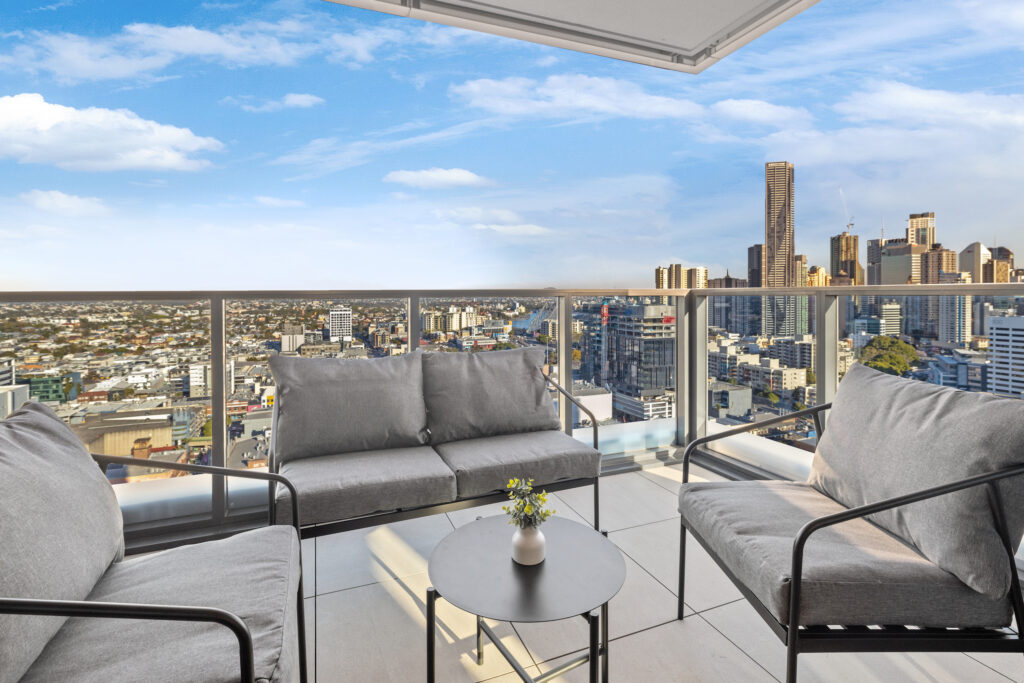
Consider a modern 2-bedroom apartment in an inner-ring Brisbane suburb like Newstead or South Brisbane:
- Under a standard residential tenancy, this property might secure a stable $850 per week. That translates to an annual gross income of approximately $44,200, assuming zero vacancy between tenants.
- Operating as a well furnished short-term rental with a conservative average daily rate (ADR) of $220, achieving an 85% occupancy rate (310 booked nights per year) generates $68,200 annually. That is a gross revenue increase of $24,000 (over 54%) compared to the traditional 12-month lease.
- While the baseline market average for standard, un-managed listings floats around 60–65%, our professionally managed portfolio consistently averages over 90% occupancy in Brisbane. At a 90% benchmark (328 booked nights), annual gross revenue scales to $72,160 – outperforming the traditional rental model by $27,960 per year. Note that this does not tell the full story as we do drop rates to fill last minute gaps. Regardless the numbers are much stronger than long-term leasing.
During peak event windows, such as Brisbane Riverfire, major sporting events at Suncorp Stadium, or the summer rush on the coasts, nightly rates can surge significantly higher, widening this revenue gap even further.
Owner Flexibility and Access
One of the most overlooked benefits of the short-term model is that you retain ultimate control over your own asset.
When you sign a standard residential tenancy agreement in Queensland, you legally surrender access to your property. You cannot enter without strict notice periods, and you certainly cannot use it.
With a short-term rental strategy, the property remains yours to enjoy.
- Want to spend a weekend in the city, or have friends and family visiting from interstate? You can seamlessly block out dates on the booking calendar for personal use, utilizing your investment as a private holiday home whenever you choose.
- If you decide to sell, you aren’t stuck with a locked-in lease and dependent upon the tenant to keep the property in sale-ready presentation. We simply block the dates requested by your sales agent and prospective buyers walk into a spotlessly clean, “turn-key” looking space. It presents your property in the best possible light. Additionally, the increased returns under our model are often a selling point and we frequently find these new owners choose to stay with us as managers to keep those high returns rolling
Continuous Maintenance vs. Long-Term Wear
A common fear among property owners is that short-term guests will cause more wear-and-tear than a single, long-term tenant. The operational reality is often the opposite.
Under a traditional lease, minor issues like a small water leak under the sink, structural scuffs, or neglected cleaning can go unnoticed for months, compounding into expensive repair bills by the time the tenant moves out.
Short-term rentals inherently protect the physical condition of the property through continuous oversight:
- The property is professionally cleaned, vacuumed, and detailed between guest stays – often several times per week. How often do you think your tenant cleans the shower glass or inside the oven?
- The carpets are cleaned, at our cost, once per year. Likewise any minor maintenance such as tightening a towel rail or replacing a toilet seat is covered by us.
- Housekeeping teams act as eyes on the ground, inspecting the entire layout during every single turnover. Minor maintenance items are often spotted and resolved within hours, keeping the asset in showroom condition year-round.
Navigating Queensland’s Shifting Regulatory Landscape
A common concern for investors is regulatory compliance. Both models face changing rules, but the nature of these restrictions differs significantly.
Long-Term Rental Reforms: Capped Flexibility
The Queensland Government has introduced sweeping updates to the Residential Tenancies and Rooming Accommodation Act. These changes place significant compliance demands on long-term landlords:
- Rent increases are strictly limited to once every 12 months, tying an owner’s hands even if market demand spikes mid-year.
- Legislation enforces strict criteria regarding safety, security, and structural integrity, requiring immediate capital expenditure for non-compliant properties.
- Property managers cannot accept or solicit offers above the advertised price, capping the natural upward movement of long-term yields.
- Evicting a problematic or non-paying traditional tenant is a notoriously slow, litigious process through the Queensland Civil and Administrative Tribunal. This can result in months of no income. Short-stay guests possess no leasehold rights; if rules are broken, they are removed immediately without tribunal intervention.
Short-Term Regulations: Localized and Manageable
Short-term letting is fully legal across Queensland, but rules are managed at the local council level. Understanding these regional boundaries helps keep your investment secure and compliant:
- Brisbane City Council (BCC): The landscape here has cleared significantly for owners. The highly publicized plans to introduce a mandatory permit scheme, a 24/7 localized contact rule, and a “three-strikes” enforcement policy were officially scrapped in May 2026. Lord Mayor Adrian Schrinner confirmed the proposed laws will not proceed, meaning there are no night caps, no permit registers, and no new regulatory hurdles. Instead, BCC relies entirely on its standard planning rules: apartments in high-density areas usually require no special approvals, while standalone houses in low-density suburban zones face stricter regulations. Additionally, council applies a 50% higher rates tier (the Transitory Accommodation Differential) if the property is used predominantly for short stays.
- Gold Coast & Sunshine Coast City Councils: These high-tourism regions require short-term operators to appoint a contactable property manager available 24/7 within a specified radius to manage guest behavior and council compliance.
While short-stay compliance requires proactive management, it preserves an owner’s control over pricing and property usage, flexibility that traditional long-term leasing no longer provides.
We are always happy to help walk you through the standard council registration and setup processes. However, because property zoning and overlay codes under local city plans can be highly nuanced, we do not provide formal town planning services. If there is any uncertainty about how the city plan applies to your specific address, we will connect you directly with a qualified town planner to verify your exact legal pathway. Again apartments in high-density areas usually require no special approvals.
The Hidden Tax Edge
From an investment standpoint, cash flow is only half the battle; tax efficiency determines what you actually keep.
Short-term properties must be listed fully furnished. This unlocks substantial depreciation assets under Australian Taxation Office (ATO) guidelines. You can depreciate high-value items like furniture, electronics, whitegoods, and custom styling packages. This creates non-cash deductions that offset your higher rental income, lowering your overall taxable obligations.
Aligning with Queensland’s Growing Tourism Economy
The choosing point between these two models ultimately comes down to market timing. Queensland is experiencing sustained population growth and a strong tourism sector.
Southeast Queensland is building toward a significant milestone: the Brisbane 2032 Olympic and Paralympic Games. This event is driving billions of dollars into transport infrastructure, stadium upgrades, and global marketing. The resulting influx of international travelers, construction specialists, and corporate executives will need flexible, furnished accommodation.
Locking a property into a fixed, multi-year long-term lease misses the wave of demand building across the Sunshine State. Embracing a short-term rental strategy positions your property portfolio to capture this historic economic upswing.
Choosing the Right Strategy for Your Portfolio
To help visualize how these two investment strategies stack up across Queensland’s core markets, consider this structural breakdown:
| Feature | Short-Term Rental Model | Long-Term Rental Model |
| Average Gross Yield | High (Often 40%+ higher gross revenue) | Moderate (Capped by standard market weekly lease rates) |
| Pricing Agility | High (Real-time daily adjustments based on inflation/events) | Low (Fixed for 6–12 months by law) |
| Property Condition | Excellent (Inspected and cleaned regularly – often multiple times per week) | Variable (Dependent on long-term tenant care) |
| Regulatory Risk | Local council compliance | Stringent state-level residential tenancy reforms |
| Tax Advantages | Accelerated depreciation on furniture & operational costs | Standard property expense deductions |
| Owner Flexibility | High (Block out dates for personal use or sell vacant) | None (No access or sales flexibility until lease expires) |
Choosing between short-term and long-term rentals in Queensland doesn’t mean you have to take on a second job as a hotel manager. You can capture premium yields while enjoying a completely hands-off investment experience.
Whether you own an inner-city apartment in Brisbane, a coastal retreat on the Sunshine Coast, or a luxury high-rise on the Gold Coast, our expert team can help you transition to a high-performance short-stay strategy. We manage everything, from professional styling and dynamic listing optimization to guest communication, vetting, and 5-star cleaning. You can enjoy all the benefits of short-term letting and won’t have to lift a finger.