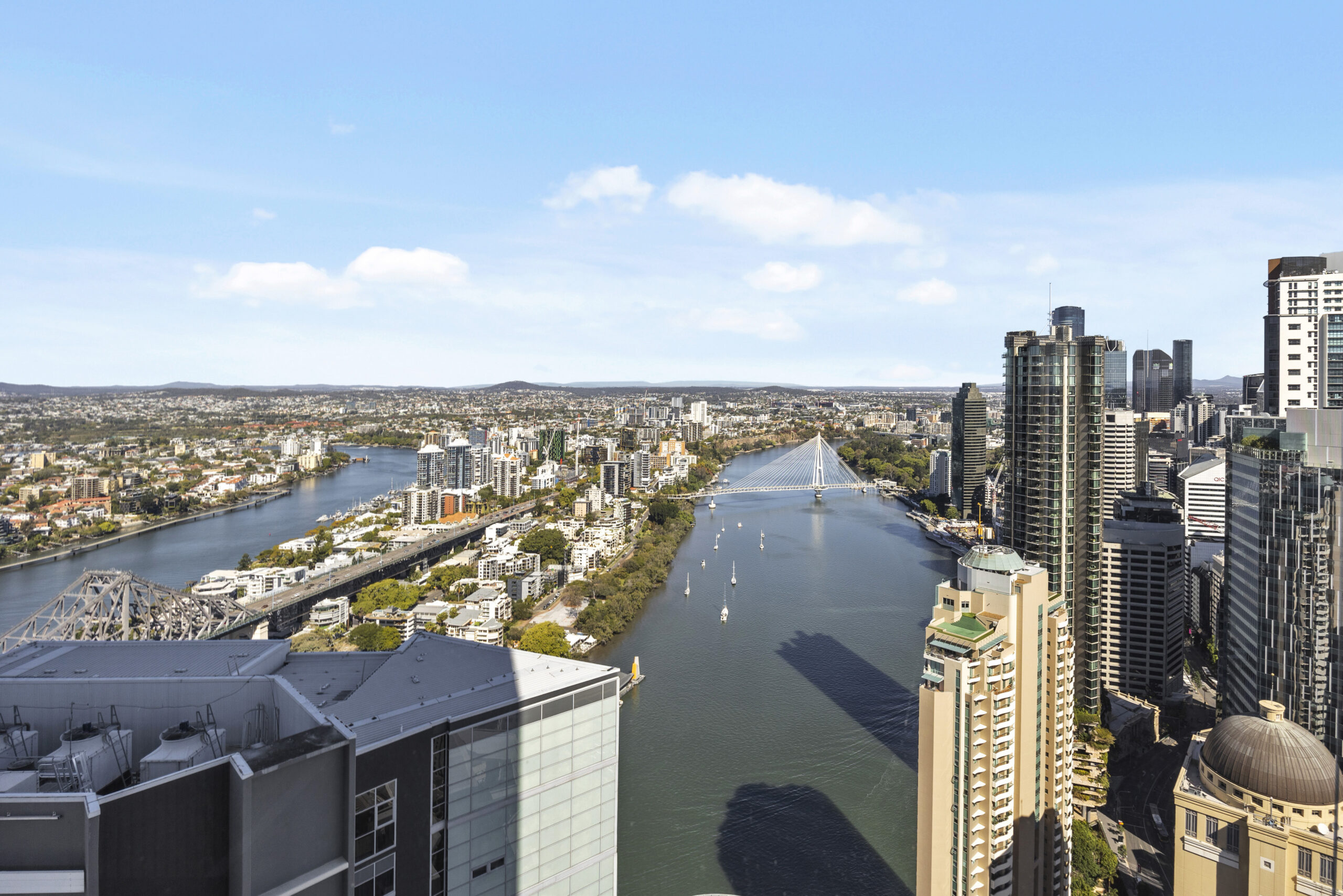
The Property Council of Australia, in research commissioned from CBRE and published in its 2026 Queensland Hotel Market Outlook, put a number on what most people in Brisbane tourism already suspected: the city is not building anywhere near enough hotel rooms to host the 2032 Olympics.
Brisbane needs 14,700 new hotel rooms by 2032. On the pipeline currently under construction or approved, the report expects only 24 percent of that, roughly 3,500 rooms, to actually get delivered. The gap is 11,000 rooms. Just one hotel opened across Brisbane, the Gold Coast, and the Sunshine Coast in the twelve months before the report came out.
Why the gap isn’t closing
Property Council executive director Jess Caire and CBRE’s Ally Gibson frame this as a structural problem, not a temporary supply lag. Construction costs for three to five star hotels have risen close to 40 percent since 2019, with another 18 percent forecast through 2027. At those costs, the maths on a new hotel development in most Brisbane locations doesn’t clear the bar investors need, regardless of how strong Olympic-period demand looks on paper.
That’s a different kind of shortage to a temporary construction backlog. A backlog clears once the projects already underway get finished. A feasibility problem doesn’t clear on its own, because the incentive to build isn’t there at current costs, and nothing in the report suggests that changes before 2032.
The Property Council’s ask to state and local government, lower infrastructure charges, faster planning approvals, and waived foreign land tax, on roughly 70 new hotels, is aimed at closing exactly that feasibility gap. Whether any of it lands before the Games is an open question. None of it is locked in yet.
The bigger number behind the hotel figure
The 11,000-room hotel shortfall is the supply-side gap in traditional hotel stock. It sits inside a much larger total: the International Olympic Committee’s own forecast puts total accommodation demand across Queensland during the Games at 81,000 rooms, covering hotels, short-stay rentals, cruise ships, and every other bed the region can put forward.
Those are two different numbers measuring two different things, and it’s worth keeping them separate. The 11,000 figure is what’s missing from the hotel pipeline specifically. The 81,000 figure is the scale of the whole accommodation task, hotel and non-hotel combined. Even if every hotel project currently proposed somehow got built, the hotel sector alone was never going to cover Games-period demand on its own. Short-stay rental was always going to be carrying a meaningful share of that 81,000, and the hotel shortfall just makes the share it’s carrying larger.
What this means for an owner between now and 2032
None of this changes anything for 2026 or 2027 occupancy. Brisbane’s short-stay demand runs on the market fundamentals it’s always run on, tourism, events, corporate travel, not on a Games six years out. What it does change is the medium-term calculus for anyone deciding whether to hold a Brisbane property through to 2032, or whether to bring a new one into short-stay in the next year or two.
A structural hotel shortfall that isn’t closing means the properties already operating as short-stay in well-located, tourism-relevant precincts aren’t going to face new hotel competition displacing them before the Games. If anything, the reverse. Every year the pipeline stays at 24 percent delivery is a year short-stay supply matters more to filling that 81,000-room total, not less.
That’s not a reason to speculate on a property purely for 2032. Games-period demand is a six-year-out forecast, and forecasts move. But it is a reason to treat the current regulatory environment, the one covered in our piece on Brisbane’s paused permit scheme, as more consequential than it might otherwise look. A Council that already treats short-stay as low-impact and worth leaving alone has one more reason to keep doing exactly that as 2032 approaches: it needs the beds.
What would change this
A few things could move the 11,000 figure meaningfully in either direction. A state or federal incentive package that actually gets construction costs back under the threshold where new hotels pencil would shrink it. A delay or scaling-back of Olympic infrastructure commitments would shrink the 81,000 figure it sits inside. Neither has happened yet. Until one does, the numbers in the Property Council’s report are the planning basis worth using.
Frequently asked questions
Where does the 11,000-room figure come from?
The Property Council of Australia’s 2026 Queensland Hotel Market Outlook, based on research commissioned from CBRE. The report found Brisbane needs 14,700 new hotel rooms by 2032, with only around 24 percent of that, roughly 3,500 rooms, expected to be delivered on the current pipeline.
Is the 81,000-room figure the same as the 11,000-room shortfall?
No. The 81,000 figure is the International Olympic Committee’s forecast for total Queensland accommodation demand during the Games, across all room types. The 11,000 figure is specifically the gap in new hotel supply. Short-stay rental, cruise ships, and other accommodation types make up the rest of the 81,000.
Does this affect short-stay occupancy now?
Not directly. Current occupancy runs on today’s tourism and event demand, not a forecast six years out. The relevance is medium-term: a structural hotel shortfall that isn’t closing changes the competitive and regulatory backdrop for short-stay properties held through to 2032.
Could the hotel shortfall still close before 2032?
Possibly, if infrastructure charges come down, planning approvals speed up, or the foreign land tax changes the Property Council is asking for get adopted. None of that has happened yet, and construction costs are still forecast to keep rising through 2027.
Conclusion
Brisbane is short roughly 11,000 hotel rooms against what 2032 requires, and the report behind that number calls it a structural gap rather than a timing issue. It sits inside a much larger 81,000-room total demand forecast that hotels alone were never going to cover. For an owner thinking past the next year or two, that’s a genuinely different backdrop to weigh than the one Brisbane’s short-stay sector was operating in before this report came out. On the numbers as they stand, the outlook for short-stay in Brisbane between now and 2032 looks strong.