Every short-term rental operator eventually faces the dreaded morning text from a turnover team showing a shattered coffee table, a stained carpet, or a cracked smart television. Your next move determines whether you recover those losses or swallow the cost out of your own pocket.
The Airbnb Resolution Centre is not a casual customer service desk. It is a highly structured, evidence-driven dispute management system that operates on unforgiving deadlines. If you do not understand the mechanics of how case managers evaluate files, you will lose valid claims. This guide breaks down the operational reality of how the platform processes disputes and how you can protect your revenue.
Timing is the single most common reason hosts lose claims. The platform enforces rigid windows for different types of requests, and missing a deadline by even a single hour results in an automatic system rejection.
For any physical property damage, missing items, or deep cleaning costs covered under AirCover host damage protection, you must file your claim within 14 days of the guest checking out. A subsequent check-in does not close your filing window or invalidate your protection. However, it completely changes your evidential burden. The risk of an uninspected back-to-back check-in is that if you do not document the property condition immediately at checkout, you lose the ability to prove the damage did not pre-exist.
For non-damage items, such as charging a guest for an agreed-upon extra service like pool heating, late checkout fees, or mid-stay cleans, you have up to 60 days from checkout to submit the request.
The Step by Step Mechanics of a Dispute
A resolution request follows a specific digital trajectory once you open it inside your host dashboard.
- Step 1: File Request – The host submits evidence and the requested dollar amount.
- Step 2: The 24 Hour Window – The guest has 24 hours to pay, counter, or decline the request.
- Step 3: The 3 Day Escalation – If the issue remains unresolved after 72 hours, the host can officially involve Airbnb.
- Step 4: Case Manager Assignment – A human specialist reviews all uploaded documentation against company policy.
- Step 5: Final Decision – A payout is issued to the host or the claim is officially denied.
When you initiate a claim, the guest receives an automated notification with your message, your photos, and the requested payment amount. The guest has 24 hours to respond to your request. They can pay the full amount, offer a partial amount, or completely reject the claim.
If the guest refuses to pay or simply ignores the notification for 72 hours, a button appears in your dashboard allowing you to escalate the case to Airbnb. Do not let the case sit idle. Click that button immediately to bring a human mediator into the loop.
Gathering Evidence That Actually Wins Claims
An Airbnb resolution specialist handles dozens of cases a day. They do not care about emotional arguments or long paragraphs explaining how rude a guest was. They make decisions based entirely on hard documentation.
Why Your Cleaning Team Is Your Front Line Defense
To win a damage claim, you need clear before and after proof. Successful property management operations rely on systematic photo documentation.
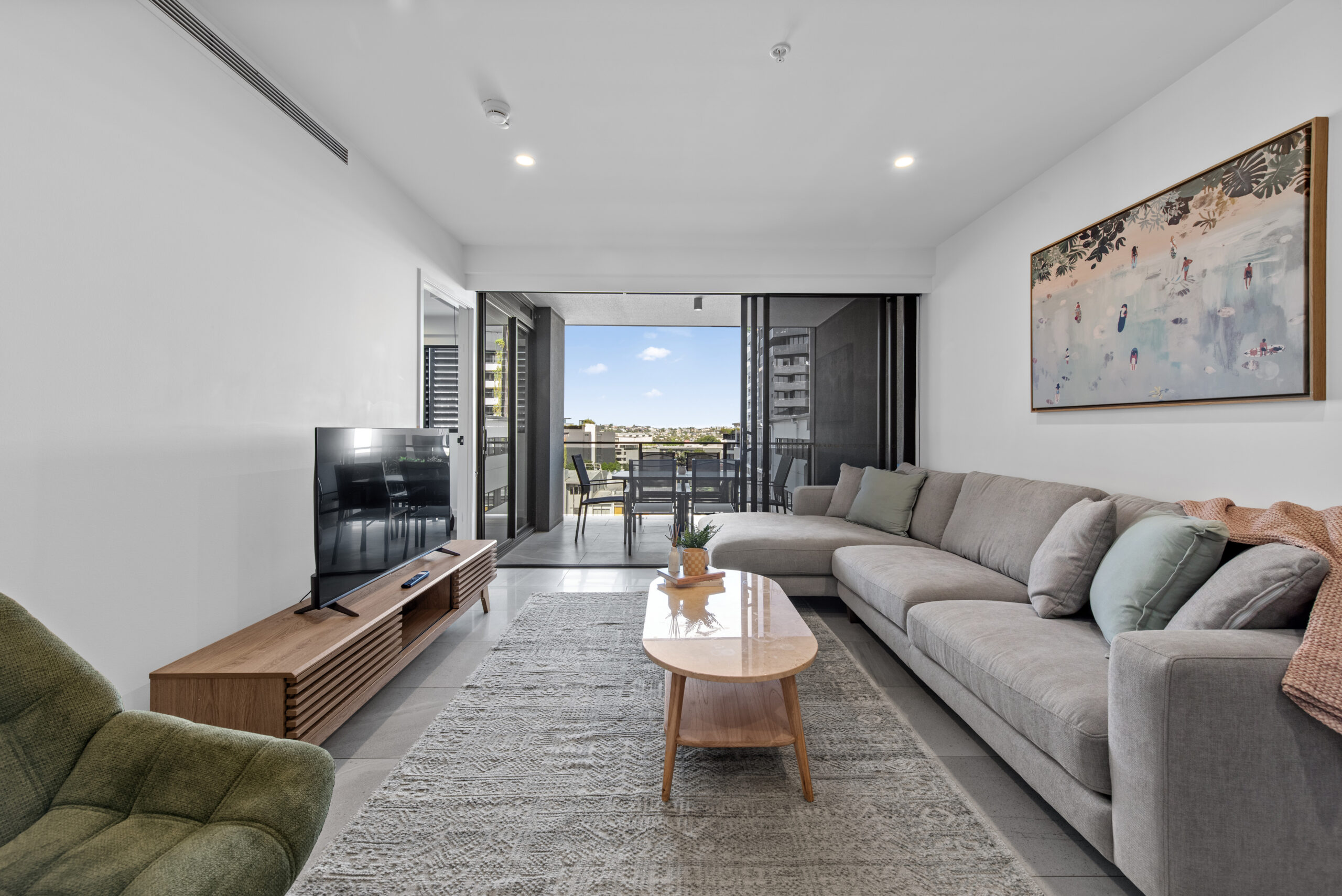
For instance, here at Bedspoke our in-house cleaners have a strict checklist of photos they must take at the completion of each clean. These are detailed, for example under the bed and in the living room with the TV turned, as well as timestamped and uploaded forever in high-definition. They serve as a great protection for the 30,000+ bookings we process each year.
Receipts and Professional Quotes vs Self Cleaning
Airbnb will not pay you for your own labor if you spend three hours scrubbing a couch. If you are claiming extra cleaning costs due to severe house rule violations, you must provide a professional third party invoice.
For broken items, you need to upload the original purchase receipt, an online retail screenshot showing the current replacement cost, or a formal repair estimate from a licensed contractor. If you upload a blurry photo of a broken chair and guess a random number for the replacement value, your case manager will slash your payout or deny the claim completely.
The 2026 Terms of Service Reality Check
The platform has locked down its ecosystem to eliminate off-platform transactions. All extra charges, including optional amenities like parking or pet fees, must be processed directly through the platform messaging and payment tools.
Collecting cash, wire transfers, or direct security deposits outside the platform is a direct violation of terms. It can lead to immediate listing suspension.
If you agreed to a late checkout fee with a guest via text message, Airbnb will ignore that evidence. Keep every single conversation, agreement, and update inside the official application chat history. Case managers read through the entire message log when a dispute escalates.
Reclaiming Your Peace of Mind
Managing the Resolution Centre requires a cold, clinical approach to documentation and scheduling. If you treat it like a legal proceeding by providing objective facts, clear numbers, and timestamped visuals, you will protect your asset and your bottom line.
If handling damage claims, managing constant cleanings, and arguing with platform mediators sounds like an operational headache you want to avoid, partnering with a full service management team is the logical next step. Bedspoke provides local area managers, field runners, and a team of 3 dedicated full time resolution specialists who handle platform disputes from start to finish on your behalf.